The Evolution of Highlighter Manufacturing
Highlighters have become an essential tool in education, office settings, and creative projects. Spanning decades, the evolution of highlighter manufacturing reflects not only technological advancements but also shifts in consumer preferences and environmental considerations. As a leading highlighter manufacturer, our commitment to innovation can be observed in the diversity of products we offer, including traditional highlighters and newer erasable versions.
Historical Overview of Highlighters
The story of highlighters began in the 1960s when Dr. Frank Honn invented the first highlighter pen known as the Hi-Liter. Early models were simple, using fluorescent ink in a chisel-tip marker that soon found popularity among students and professionals. As the need for effective study and organization tools grew, so did the demand for highlighters with improved functionality and color variety.
Key Developments in Highlighter Technology
Over the years, significant innovations have transformed highlighter technology. The introduction of different ink formulas has made highlighters more versatile and user-friendly. For instance, the development of erasable highlighters has allowed users to make corrections easily without leaving behind messy marks. Additionally, the transition to non-toxic, eco-friendly inks aligns with consumer demand for sustainable products.
The Role of Color Diversity in Evolution
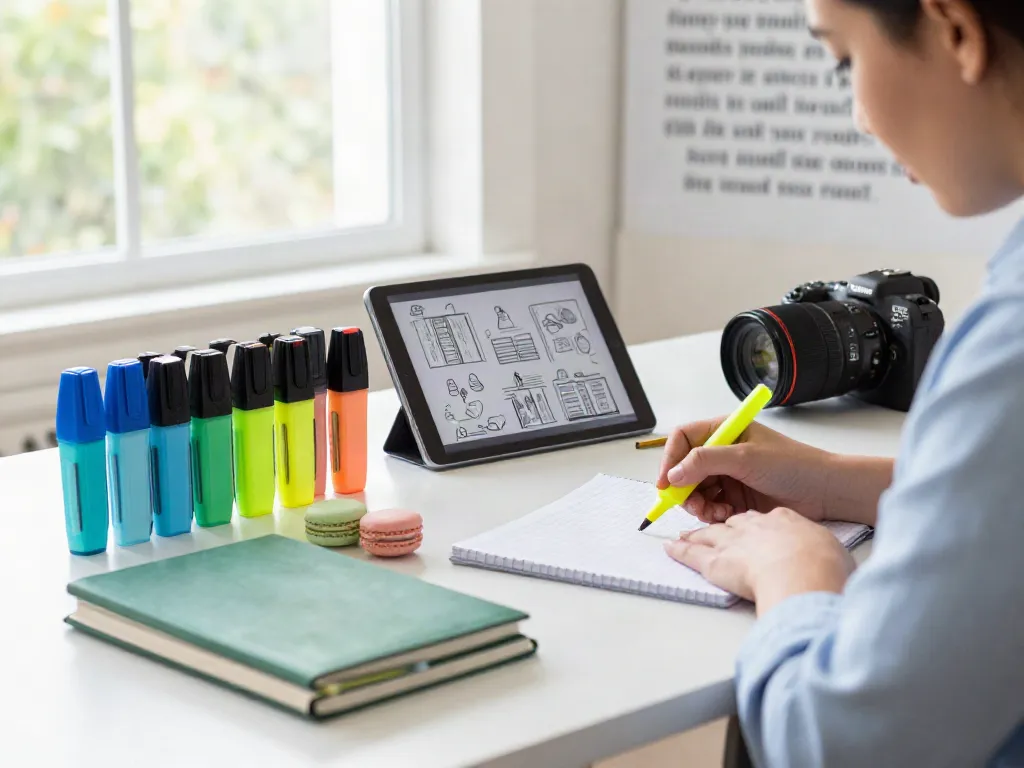
Initially, highlighters were primarily available in bright fluorescent colors like yellow and pink. However, as creativity became a core component of studying and organizing, manufacturers began to expand their color offerings. Nowadays, highlighters come in various shades, including softer "macaron" colors, which appeal to artists and stationery enthusiasts. This shift towards color diversity has enabled users to personalize their experience and express individuality through their choice of tools.
Understanding Highlighter Production Processes
To appreciate the products we use daily, it's essential to understand the manufacturing processes behind them. Highlighter production involves a series of stages that ensure quality and performance, from material selection to final assembly.
Materials Used in Highlighter Manufacturing
The primary materials used in highlighters include the ink, plastic casing, and felt tip. Inks are formulated using various dyes and solvents, which contribute to their vibrancy and drying properties. High-quality plastic is chosen for durability, while felt tips can be made from different materials, affecting the marker's drawing experience and ink delivery.
Innovations in Erasable Highlighter Technology
As mentioned earlier, erasable highlighters have revolutionized the way users interact with their notes and documents. Using specially designed ink that can be erased with friction or a dedicated eraser, these highlighters offer flexibility for those who frequently revise their work. This technology caters to a wide range of users, from students to professionals who require a neat and organized presentation of information.
Environmental Concerns and Sustainable Practices
The global awareness of environmental issues has prompted manufacturers to adopt sustainable practices in highlighter production. This includes utilizing biodegradable or recyclable materials and ensuring that ink formulations are non-toxic. As consumers become more environmentally conscious, there is significant pressure on highlighter manufacturers to adhere to sustainable practices while maintaining high product quality.
The Impact of Consumer Preferences on Highlighter Design
Consumer preferences play a crucial role in shaping the design and functionality of highlighters. Keeping pace with trends is key to remaining competitive in the stationery market.
Trends in Highlighter Colors and Styles
Recent trends indicate a strong preference for unique colors and customizable options. Users gravitate toward highlighters that not only serve a functional purpose but also enhance their personal style. For example, pastel colors have gained popularity, especially among younger consumers who appreciate aesthetically pleasing stationery.
Feedback Loop between Manufacturers and Consumers
Highlighter manufacturers must be attuned to consumer feedback, which can provide valuable insights into product preferences. Surveys, social media interactions, and focus groups often inform design changes and the introduction of new products. This feedback loop ensures that companies can stay ahead of market trends and produce items that meet the evolving demands of their audience.
Customization and Private Labeling Opportunities
Many brands are now offering customization options, allowing consumers to create personalized highlighters that resonate with their individual tastes. Additionally, private labeling presents an opportunity for businesses to build their brand identity by offering unique highlighter products tailored to specific markets or audiences.
Marketing Strategies for Highlighter Manufacturers
With an ever-increasing array of competition in the highlighter market, effective marketing strategies are vital for manufacturers to distinguish themselves from their competitors.
Effective Branding for Highlighter Products
Branding is essential for highlighter manufacturers, as it builds consumer recognition and loyalty. A strong brand story that emphasizes quality, innovation, and customer connection can resonate deeply with target audiences. Utilizing engaging packaging designs and memorable logos also plays a significant role in attracting consumers.
Leveraging Digital Tools for Market Reach
In today's digital age, highlighter manufacturers must leverage online platforms for marketing and promotion. This includes social media marketing, content creation, and search engine optimization (SEO). Engaging with potential customers through digital tools allows brands to showcase their offerings and establish a robust online presence.
Collaborations with Influencers and Educators
Collaborating with educational influencers or content creators can effectively elevate a highlighter brand's visibility. By partnering with well-known figures in the stationery or education space, manufacturers can tap into their audience and build trust among potential consumers.
Future Predictions in Highlighter Manufacturing (2026 and Beyond)
Looking ahead, the future of highlighter manufacturing is likely to be shaped by technological advancements and growing consumer expectations.
Emerging Technologies and Techniques
As technology continues to evolve, manufacturers may explore new materials and ink technologies that offer enhanced performance. Innovations such as 3D-printed highlighters or smart highlighters that integrate with mobile apps for organization could redefine the traditional highlighter experience.
Potential Market Growth Areas
Emerging markets in developing regions present opportunities for highlighter manufacturers. As education systems grow and evolve, demand for stationery products, including highlighters, will likely increase. Additionally, targeting niche markets such as artists or specialized professionals can also drive growth.
Consumer Education and Awareness Strategies
As the market evolves, educating consumers about various highlighter products will become increasingly important. Manufacturers should focus on transparent marketing that informs consumers about the benefits and unique features of their products, ultimately empowering them to make informed decisions.
What are the major brands in highlighter manufacturing?
Several brands are recognized for their high-quality highlighters, including Stabilo, Sharpie, and BIC, all of which have established a significant presence in the global market.
How are highlighters made and what materials are used?
Highlighters are made using a combination of ink, plastic, and felt tips. Advanced formulation methods ensure the ink is vibrant, quick-drying, and safe for use.
What trends to watch for in highlighters in 2026?
The trends to watch include increased customization options, eco-friendly materials, and advancements in erasable and smart highlighter technologies.
How to choose the best highlighter for your needs?
Consider your intended use, whether for studying, note-taking, or art projects. Pay attention to features such as color vibrancy, tip size, and whether you prefer erasable options.
What is the environmental impact of highlighter production?
The production of highlighters can have environmental impacts, but many manufacturers are shifting towards sustainable practices to reduce waste and promote recyclable materials.