Understanding Aluminium Fabrication
Aluminium fabrication is a critical component in modern construction and manufacturing, encapsulating various processes that transform raw aluminium into finished products. The versatility of aluminium makes it an ideal choice for a wide range of applications, from architectural designs to everyday consumer goods. This article delves into the intricate world of aluminium fabrication, exploring key techniques, market trends, and the significance of in-house fabrication, especially within regions like the UAE where the demand for durable and aesthetically pleasing designs is ever-growing. When exploring options, Aluminium fabrication plays a pivotal role in delivering high-quality results tailored to specific client needs.
What is Aluminium Fabrication?
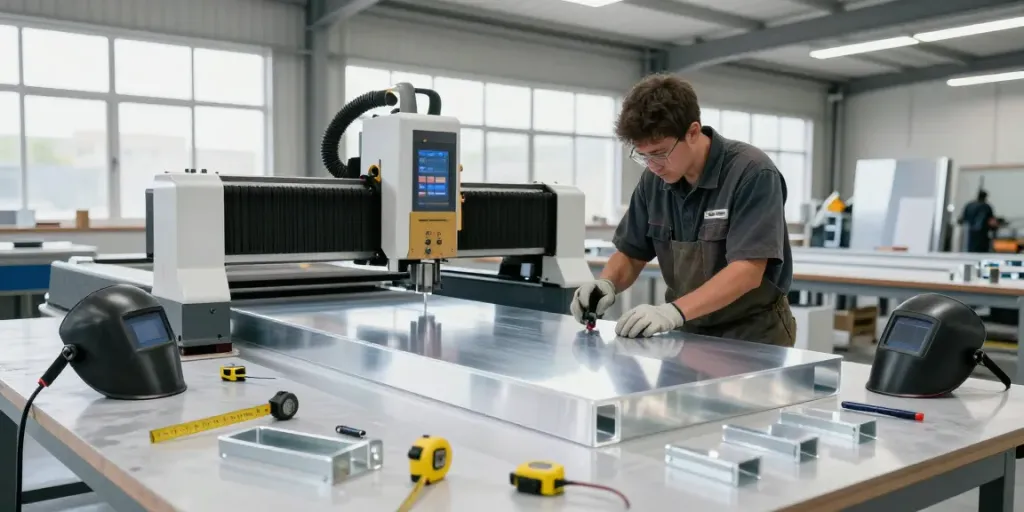
Aluminium fabrication refers to the process by which aluminium is transformed from raw form into various usable products through various techniques such as cutting, bending, welding, and assembling. This process is pivotal in producing items that range from structural components to decorative features. The light weight, corrosion resistance, and strength of aluminium make it an optimal material across many industries, including construction, automotive, aerospace, and consumer electronics.
Common Techniques in Aluminium Fabrication
- Cutting: This involves precise measurements to cut aluminium sheets or profiles to the desired specifications using saws, lasers, or water jets.
- Bending: Techniques such as press braking or roll bending are employed to shape aluminium into the required contour or design.
- Welding: Aluminium welding requires special techniques, such as TIG (Tungsten Inert Gas) or MIG (Metal Inert Gas) welding, to ensure strong joints without compromising the material's properties.
- Assembling: Once the individual parts are fabricated, they are assembled into final products, often involving additional processes such as riveting or bolting.
The Importance of In-House Fabrication
In-house fabrication offers numerous advantages over outsourcing. When a fabrication company, such as Al Taher Group, handles all processes under one roof, it ensures quality control at every stage. This leads to increased efficiency, reduced lead times, and better communication throughout the project. Additionally, having a dedicated team allows for immediate adjustments based on client feedback, fostering a collaborative environment.
Aluminium in the UAE Market
The construction industry in the UAE has been on an upward trajectory, driven by an ever-growing demand for residential, commercial, and industrial projects. As a result, aluminium has become a preferred choice for both architects and builders due to its favorable properties. Continuous advancements in aluminium fabrication technologies have also contributed to the material's growing popularity.
Trends in Aluminium Fabrication in 2026
As we move into 2026, some trends are shaping the landscape of aluminium fabrication. Innovations in sustainable practices are beginning to take center stage, with an emphasis on recycling and utilizing energy-efficient methods. Additionally, advancements in automation and precision engineering signify a shift towards more sophisticated techniques that enhance accuracy and reduce waste.
Aluminium Fabrication vs. Other Materials
When comparing aluminium to other materials such as steel, wood, or plastic, its superior properties often give it the edge. Aluminium is lighter than steel but maintains comparable strength, making it ideal for applications where weight reduction is crucial. Additionally, aluminium's resistance to corrosion outweighs that of steel, particularly in coastal areas like the UAE, where salt-laden air contributes to rapid material degradation.
Local Demand and Supply Factors
The demand for aluminium fabrication in the UAE is influenced by various factors, including government infrastructure projects, private real estate developments, and the imperative for eco-friendly construction methods. Moreover, the local supply chain is bolstered by established players like Al Taher Group, which ensure that the needs of homeowners and contractors are met efficiently and effectively.
Best Practices for Aluminium Projects
Successfully executing an aluminium fabrication project requires careful planning and execution. Following best practices can significantly influence the outcome and longevity of the project.
Choosing the Right Fabrication Partner
Selecting a reliable fabrication partner is paramount. Look for companies with a proven track record, skilled craftsmanship, and in-house capabilities. This will not only guarantee quality but also ensure that the entire fabrication process is streamlined.
Project Management in Aluminium Fabrication
Effective project management encompasses various stages, including planning, execution, and monitoring. By implementing a robust management strategy, teams can ensure timely deliveries, budget adherence, and quality assurance throughout every phase of the aluminium fabrication process.
Common Pitfalls to Avoid
- Inadequate Planning: Skipping the planning phase can lead to miscalculations and setbacks during execution.
- Ignoring Material Specifications: Using the wrong grade or type of aluminium can compromise the integrity of the final product.
- Neglecting Quality Control: Failing to conduct quality checks at various stages may result in costly errors.
Real-World Applications of Aluminium Fabrication
Aluminium fabrication is ubiquitous, with applications permeating various industries. Understanding real-world examples can provide insights into the endless possibilities offered by aluminium.
Case Studies: Successful Aluminium Projects
The UAE is home to numerous architectural marvels that utilize aluminium for both functionality and aesthetics. Notable projects include high-rise buildings adorned with aluminium cladding, which not only enhance visual appeal but also improve energy efficiency.
Architectural Innovations Using Aluminium
Architects are increasingly leveraging aluminium's unique properties to create innovative designs. From facades to window frames and roofing systems, aluminium enables the realization of complex shapes and modern aesthetics.
Custom Solutions for Diverse Needs
One of the greatest strengths of aluminium fabrication is its ability to be tailored for specific requirements. Custom solutions can enhance the functionality and look of buildings, catering to distinctive architectural demands and personal preferences.
Future Trends and Predictions
The aluminium fabrication sector is poised for transformation as it adapts to emerging trends and technological advancements. Companies must be prepared for shifts in market dynamics and consumer expectations.
Innovations Shaping the Future of Aluminium Fabrication
Future innovations will likely integrate digital technologies such as AI and IoT, enhancing predictive maintenance and operational efficiency. Automation in fabrication processes is expected to reduce human error and increase production speed.
Sustainability in Aluminium Fabrication
As environmental considerations become more pressing, the aluminium fabrication industry is responding with sustainable practices. Emphasizing recycling and energy-efficient processes will not only cater to consumer demand but also align with global sustainability goals.
Preparing for Industry Changes in 2026
Preparation for industry shifts will require ongoing training and adaptation. Staying abreast of changes in regulations, market trends, and consumer preferences will be crucial for competitiveness. Companies that prioritize continuous improvement will thrive in the evolving landscape of aluminium fabrication.
What is aluminium fabrication?
In essence, aluminium fabrication encompasses the various processes that transform raw aluminium into a finished product, suitable for diverse applications in both residential and commercial sectors. It is a fundamental aspect of modern manufacturing.
Is aluminium fabrication expensive?
While initial costs for aluminium fabrication might seem elevated compared to other materials, the long-term benefits such as durability, low maintenance, and energy efficiency can offset these initial expenses, making it a cost-effective choice over time.
Do metal fabricators make good money?
The earnings of metal fabricators can vary significantly based on location, skill level, and market demand. Generally, skilled fabricators can command competitive wages, especially in regions where demand for quality fabrication services is high.
What is the cost per square foot for aluminium fabrication?
The cost per square foot for aluminium fabrication largely depends on the complexity of the project, type of aluminium used, and local market conditions. As a ballpark figure, prices can range from $15 to $60 or more, depending on these factors.