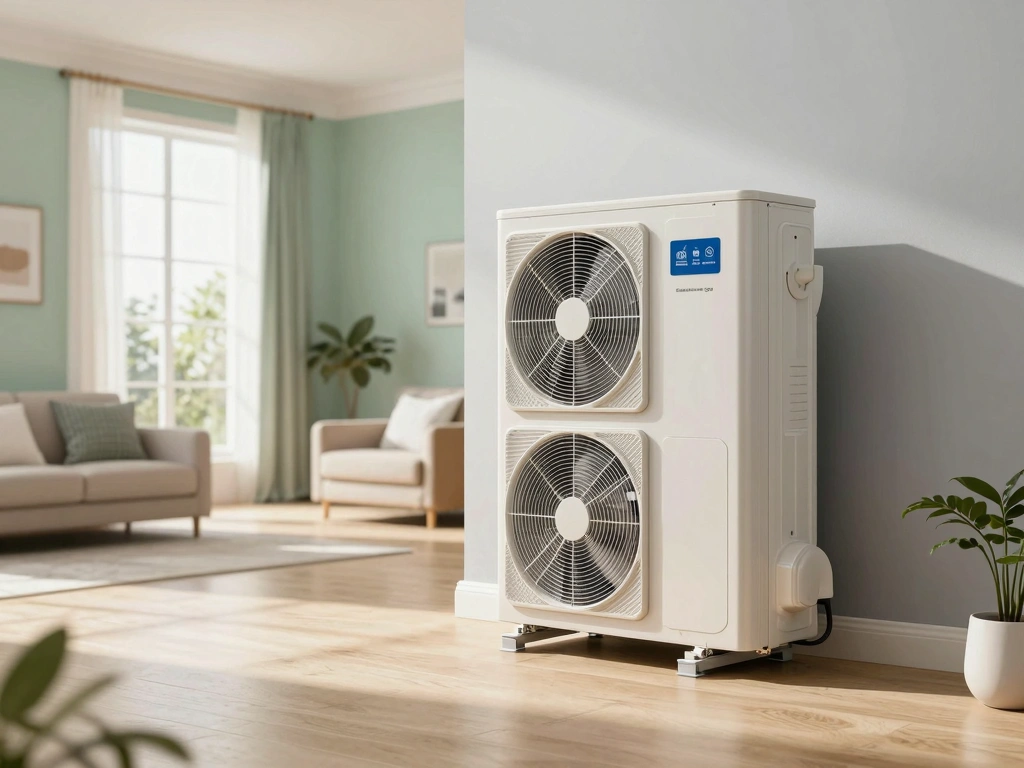
Understanding Mini Split AC Units
In today’s world of heating and cooling, the mini split AC unit has emerged as a highly efficient alternative to traditional air conditioning systems. These systems are particularly popular for their flexibility, energy efficiency, and ability to provide precise temperature control. For homeowners looking for a versatile climate control solution, a mini split AC unit may just be the perfect option. When exploring options, mini split ac unit provides comprehensive insights into the available features and benefits.
What is a Mini Split AC Unit?
A mini split air conditioning unit consists of two main components: an indoor unit and an outdoor compressor. Unlike traditional HVAC systems that rely on ductwork to circulate air, mini splits are ductless, allowing for more straightforward installation and greater design flexibility. This system works by transferring heat to and from the indoor unit via refrigerant lines, providing both cooling and heating capabilities. Mini splits can also be paired with multiple indoor units, facilitating multi-zone temperature control that can drastically improve comfort levels in specific areas of a home.
Benefits of Mini Split Systems
- Energy Efficiency: Mini split systems often boast higher SEER (Seasonal Energy Efficiency Ratio) ratings compared to traditional systems, translating to significant energy savings on utility bills.
- Flexible Installation: The compact design allows for installation in various spaces, including rooms without existing ductwork.
- Improved Indoor Air Quality: Mini splits typically include advanced filtration systems that can reduce dust, allergens, and other pollutants, thus enhancing indoor air quality.
- Quiet Operation: Many mini split models operate at low noise levels, making them suitable for bedrooms and living spaces.
- Individual Room Control: These systems allow users to set different temperatures for different rooms, leading to personalized comfort.
How Mini Split AC Units Work Efficiently
Mini split AC units operate using a heat pump technology that utilizes the principles of refrigeration. The outdoor unit absorbs heat from the outside air, even in cooler months, and transfers it inside, while the indoor unit releases cool air into the room. The ability to both heat and cool makes mini splits an all-year-round solution. Advanced inverter technology in modern mini split systems allows for variable speed operation, meaning they can adjust the compressor’s speed based on the needed temperature, leading to further energy efficiency.
Choosing the Right Mini Split AC Unit
When considering a mini split AC unit for your home or office, it is essential to evaluate several factors to ensure you choose the right system that meets your specific needs.
Factors to Consider When Selecting a Unit
- Cooling and Heating Capacity: Measured in BTUs, the capacity must correlate with the size of the space to maintain optimal comfort.
- Energy Efficiency Rating: Look for units with high SEER ratings to ensure lower operating costs over time.
- Noise Levels: Check the decibel rating of indoor units, especially for installations in noise-sensitive areas.
- Installation Requirements: Assess the complexity and potential need for professional installation based on your chosen model.
- Additional Features: Consider features such as Wi-Fi control, programmable timers, and modern aesthetics that blend with your interior design.
Budgeting for Your Mini Split AC Unit
Cost is often a significant consideration when selecting a mini split AC unit. The price will typically include the unit itself, installation fees, and any additional components such as piping or electrical work. While initial costs can be higher than traditional units, the long-term savings on energy bills and maintenance can make mini splits a more economical choice over time.
Top Brands to Consider in 2026
The mini split market is populated with a variety of manufacturers, each offering unique features and benefits. Brands such as Mitsubishi, Daikin, and LG have consistently been recognized for their reliability, performance, and cutting-edge technology. As new models and advancements hit the market, it’s worth researching reviews and consumer feedback to find the best fit for your needs.
Installation Best Practices
Once you have selected the ideal mini split system, the next step involves installation, which can be done either as a DIY project or by hiring professionals. Understanding best practices will help ensure efficient operation and longevity of your unit.
DIY Installation vs. Professional Help
While some homeowners may choose to install mini split systems themselves, this process requires technical knowledge and tools. If you have experience with HVAC systems, DIY installation can save costs; otherwise, hiring a professional installer is highly recommended to avoid potential pitfalls, such as improper refrigerant charging or incorrect electrical connections.
Essential Tools for Installation
- Drill and drill bits
- Refrigerant gauges
- Copper tubing cutter
- Wrenches and screwdrivers
- Level
Common Mistakes to Avoid During Installation
Failure to properly size the unit for the space is one of the most common mistakes, which can lead to inefficient operation. Additionally, neglecting proper insulation of refrigerant lines and incorrect placement of the indoor unit can severely impact performance. Always follow the manufacturer’s guidelines for installation to ensure optimal functionality.
Maintaining Your Mini Split AC Unit
Regular maintenance is crucial for maximizing the lifespan and efficiency of your mini split AC unit. Simple maintenance practices can help prevent significant repairs and ensure your system runs smoothly.
Regular Maintenance Tips for Longevity
- Clean or replace filters every month during peak usage to maintain airflow and efficiency.
- Schedule annual professional inspections to check for refrigerant leaks, electrical issues, and general wear and tear.
- Clear obstructions around the outdoor unit to allow for adequate airflow and reduce stress on the compressor.
Understanding Common Issues and Solutions
Homeowners may face issues such as fluctuating temperatures or unusual noises from the unit. First, check the filters and ensure they are clean. Low refrigerant levels could indicate a leak, which should be addressed by a professional. Listening for compressor noises can also signal maintenance needs.
When to Call a Professional for Repairs
If your mini split system is not operating efficiently despite regular maintenance, it may be time to call in the experts. Signs of malfunctioning include refrigerant leaks, electrical failures, or any persistent unusual noises. An HVAC professional can diagnose and repair issues that require specialized knowledge or tools.
Future Trends in Mini Split AC Technology
The landscape of mini split AC technology is rapidly evolving, with various advancements focusing on energy efficiency, smart technology integration, and sustainability.
Advancements in Energy Efficiency for 2026
Newer models are being developed with higher efficiency ratings, which means they use less energy to produce the same cooling and heating effects. Features such as variable speed compressors and enhanced heat exchangers are paving the way to even lower energy consumption.
The Role of Smart Technology in AC Units
Smart mini split systems allow users to control their heating and cooling remotely via smartphones or integrate with home automation systems. These advancements not only provide convenience but also the potential for enhanced energy savings through monitoring and adjusting usage patterns.
Sustainability and Eco-Friendly Options
As environmental concerns grow, many manufacturers are focusing on creating sustainable options. This includes the use of eco-friendly refrigerants with lower global warming potential, and designs that minimize energy usage, contributing to reduced carbon footprints.
What are the disadvantages of a mini split?
While mini splits boast many advantages, they do have some disadvantages. Initial costs can be high, and improper installation can lead to inefficiencies. Additionally, aesthetic concerns may arise since indoor units can be mounted on walls, which might not appeal to some homeowners.
Why is my electric bill so high with a mini split?
High electric bills can occur if the system is improperly sized, leading to overwork, or if maintenance is neglected. Ensuring proper insulation and addressing any airflow issues can help reduce energy consumption.
Are mini-split AC units worth it?
For many homeowners, the advantages of mini split systems—such as energy savings, flexibility, and improved comfort—make them worth the investment. Initial costs may be offset by long-term savings on energy bills and maintenance.
How much does it typically cost to install a mini split?
The cost to install a mini split AC unit varies based on factors such as location, the size of the unit, and whether installation is professional or DIY. Typically, costs can range from $3,000 to over $5,000, including the unit and installation fees.
What maintenance does a mini split require?
Maintenance includes regular cleaning or replacing of filters, checking for refrigerant levels, and scheduling annual professional inspections to ensure optimal performance and longevity.