Understanding Spa Cleaning & Wash Replacement
Owning a spa offers a unique opportunity for relaxation and rejuvenation, but to maintain its inviting oasis, you must dedicate time and attention to its upkeep. Regular Spa Cleaning & Wash Replacement is vital for ensuring a safe and enjoyable experience for users. This comprehensive guide will explore the fundamentals of spa cleaning, dive deep into effective maintenance practices, and discuss advancements in eco-friendly cleaning solutions suitable for spas today.
What is Spa Cleaning & Wash Replacement?
Spa cleaning involves various tasks to ensure that your spa remains in optimal condition. This includes regular sanitization, draining, and refilling the water, replacing filters, and cleaning the spa's surfaces. Wash replacement specifically refers to changing out the washing components, such as filter cartridges or any additional cleaning applicators designed to preserve your spa's hygiene and functionality. Engaging in these practices not only extends the lifespan of your spa but also enhances the user experience.
Why Regular Maintenance Matters for Your Spa
Regular maintenance is essential for several reasons. Firstly, it helps prevent the accumulation of harmful bacteria and algae, which can thrive in unclean water conditions. Secondly, attention to maintenance prolongs the life of various spa components, reducing the need for frequent repairs or replacements. Additionally, consistent cleaning maintains the water quality and ensures that the spa remains visually appealing. When exploring options, Spa Cleaning & Wash Replacement provides comprehensive insights into the necessary upkeep for your spa.
Common Misconceptions about Spa Care
One common misconception is that spa maintenance is only necessary before or after usage. In reality, regular cleaning should be a routine practice, regardless of usage frequency. Another misconception is that using household cleaning products is sufficient for spa cleaning. However, these products can often lead to complications, including foaming and residue build-up that affects water quality. It’s crucial to use products specifically designed for spas to maintain a safe and clean environment.
Best Practices for Spa Cleaning
Step-by-Step Guide to Spa Cleaning
- Drain the Spa: Begin by draining all the water completely. This is usually done through a drain valve.
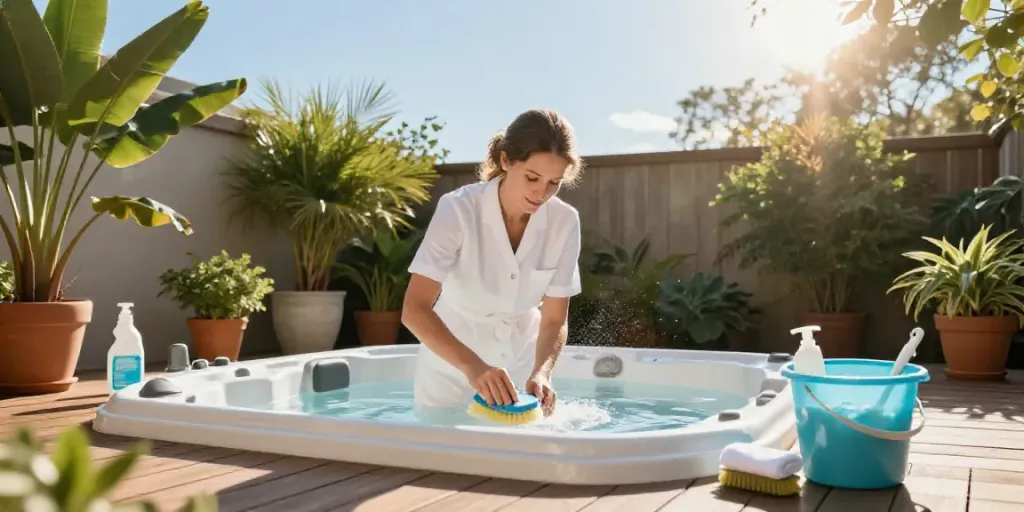
- Clean the Shell: Use a non-abrasive cleaner and a soft cloth or sponge to clean the spa's shell. Pay special attention to the corners and areas that may harbor dirt.
- Clean Filters: Remove, rinse, and soak your filters in a filter cleaner solution to remove clogs and organic materials.
- Inspect Components: Check all moving parts, jets, and pumps for any damage or wear. Replace as necessary.
- Refill the Spa: Once you've cleaned and inspected everything, refill your spa with fresh water.
- Balance Water Chemistry: Test the water after refilling and adjust pH, alkalinity, and sanitizer levels as needed.
- Cover and Store: If your spa is seasonal, cover it properly to protect it from elements when not in use.
Choosing the Right Cleaning Supplies
Selecting appropriate cleaning supplies is integral to maintaining your spa. Look for products specifically formulated for spas that do not contain harsh chemicals that could damage surfaces or affect water quality. Consider eco-friendly options that are biodegradable and free from phosphates to protect the environment while ensuring a clean spa.
How to Safely Replace Spa Wash
Replacement of spa wash components, such as filters and cleaning applicators, should be done meticulously. Ensure that you turn off all power to the spa before attempting any replacement. Familiarize yourself with the manufacturer’s instructions for removing and installing new parts. It’s essential to choose high-quality, compatible replacement parts that meet the specifications of your model to ensure optimal performance.
Eco-Friendly Spa Cleaning Solutions
Benefits of Biodegradable Cleaning Products
Biodegradable cleaning products contribute to reduced environmental impact, making them a suitable choice for spa maintenance. They offer effective cleaning without introducing harsh chemicals into the water, supporting a healthier ecosystem. These products typically break down naturally, leaving behind no harmful residues that could affect marine life or local waterways.
DIY Eco-Friendly Spa Cleaning Recipes
Many spa owners are opting for DIY cleaning solutions that are both effective and environmentally friendly. Here are a few recipes you can try:
- Vinegar Solution: Mix equal parts of white vinegar and water in a spray bottle for surface cleaning.
- Baking Soda Paste: Combine baking soda with a small amount of water to create a paste for tackling tough stains.
- Lemon Juice Solution: Utilize lemon juice for its antibacterial properties. Mix with water and use it to wipe down surfaces.
Where to Buy Sustainable Spa Cleaning Supplies
Finding sustainable cleaning supplies can be easier than you think. Many health and eco-friendly retailers now carry lines of biodegradable spa cleaning products. Online marketplaces, local pool and spa supply stores, and dedicated eco-friendly websites are excellent places to explore for these sustainable options.
Troubleshooting Common Spa Cleaning Issues
Identifying and Fixing Water Quality Problems
Water quality issues such as cloudiness or unusual odors often indicate a need for deeper cleaning or chemical balancing. Regularly testing your water can help identify these problems before they escalate. Remember to adjust chemical levels, and if the issue persists, it may be necessary to drain and refill the spa.
Dealing with Stains and Residue
Stains can be a significant nuisance. For organic stains like algae, use a non-abrasive cleaner designed for spa surfaces. For mineral stains, consider applying a specialized stain remover. Regularly cleaning your spa will minimize the need for extensive treatments.
When to Call a Professional for Help
If you encounter recurring issues, or if cleaning and maintenance seem overwhelming, it may be time to contact a professional. Experts possess the tools and expertise to diagnose and resolve complex problems, which can save you time and ensure your spa remains in excellent condition.
Future Trends in Spa Maintenance
Innovative Cleaning Technologies in 2026
The spa industry is continually evolving, with new technologies emerging to enhance cleaning processes. Automated cleaning systems, such as robotic cleaners, can efficiently maintain spa hygiene while minimizing manual labor. Smart technologies that monitor water quality in real-time could soon become standard, making maintenance more efficient.
The Rise of Smart Spa Systems
Smart spa systems enable owners to control settings remotely, including cleaning schedules, temperature settings, and water quality monitoring. These advancements streamline maintenance and ensure the spa is always ready for use, aligning with modern technological trends.
Predictions for Eco-Conscious Spa Care
As consumer demand for eco-friendly products continues to rise, the spa industry is likely to see an increased focus on sustainable practices. Expect more biodegradable and low-impact cleaning solutions, as well as innovations that promote water conservation and energy efficiency in spa maintenance.
How much does it cost for someone to clean a hot tub?
The cost for professional hot tub cleaning varies based on location and the extent of cleaning needed but typically ranges from $100 to $300. Regular maintenance can often be more economical in the long run.
How often should a spa be drained and cleaned?
Generally, spas should be drained and thoroughly cleaned every three to four months. However, this can vary depending on usage frequency and water quality.
Where can I buy hot tub replacement parts?
Replacement parts can be found at local pool and spa supply stores, online retailers, and direct from manufacturers. It’s essential to choose parts that match your specific spa model for optimal performance.
Why do you put a tennis ball in a hot tub?
Putting a tennis ball in a hot tub can help absorb oils and lotions from bathers, which can reduce scum and buildup in the water. For more information, Part Replacements & Repair in Sydney offers valuable insights. It’s a simple trick for improving water quality!